
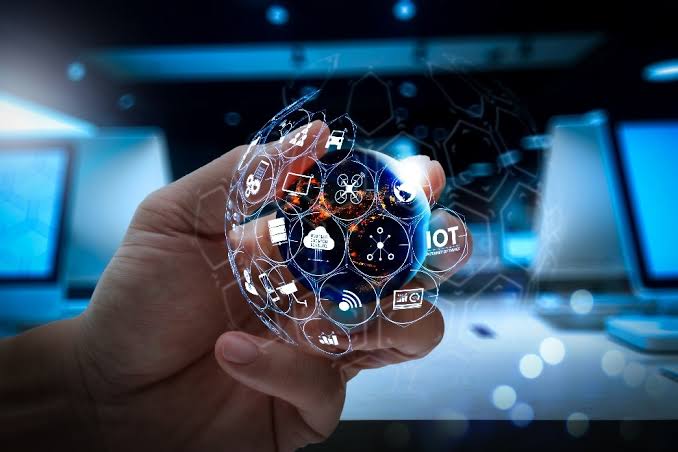
The Internet of Things (Internet of Things) is like a large number of elements that can communicate with each other. These things have special tools inside that help them send and get information. However, in schools, teachers are using this technology to help students learn better.
Today, students have computers and special equipment that can help them learn. Teachers also use special tools in the classroom to make learning more fun and interactive.
The purpose of using the Internet of Things in schools is to make students’ learning more interesting and easier. IoT tools can provide instant feedback to students and help them understand difficult topics. They can also track students’ performance in learning.
Also read: A step-by-step guide to doing business
For example, special sensors can be used to understand how active students are and give them tips on how to stay healthy. Interactive boards can be used to make courses more fun. Smartwatches can remind students of their assignments and track their progress.
The advantages of the Internet of Things in education
Using the Internet of Things in education has several advantages, including:
Personalized learning: IoT devices can provide students with personalized feedback and guidance, allowing them to learn at their own pace and in their own style.
Improve student participation: IoT devices can make learning more interactive and engaging, helping students stay focused and motivated.
Increase collaboration: IoT devices can foster collaboration among students so that they can work together and share their ideas.
Better data analysis: IoT devices can collect data about students’ learning progress, allowing teachers to monitor their progress and identify areas that may require additional support.
Enhanced security: IoT devices can be used to monitor school safety and alert authorities of potential hazards or threats.
Improve accessibility:IOT devices can provide students with more opportunities to access information and educational resources, regardless of their location.
Overall, the use of IoT in education has the potential to change the way students learn, making education more accessible, engaged and effective.
While there are certainly challenges, such as concerns about data privacy and security, the benefits of IoT in education are huge, and its use may continue to grow in the future.
Application of the Internet of Things in Education
The Internet of Things (Internet of Things) has many applications in education, including:
Smart classroom: IoT devices can be used to create interactive and engaging classrooms and use tools such as smart boards, sensors, and other educational technologies.
Wearable devices: Wearable devices such as smartwatches can be used to track students’ learning progress, provide reminders and feedback, and monitor their physical exercise levels.
distance learning: IoT technology can be used to promote distance learning, allowing students to connect with teachers and classmates anywhere in the world.
Learning Management System: IoT devices can be integrated with learning management systems to provide students with real-time feedback, personalize learning experiences and monitor their progress.
Library Management: IoT devices can be used to automate library operations such as tracking books, managing checkouts, and generating reports on usage patterns.
Campus Safety: IoT technology can be used to enhance campus safety by monitoring buildings and ground, providing real-time alerts and facilitating communication between students, staff and first responders.
Overall, the Internet of Things is widely used in education, from enhancing classroom experience to improving campus safety and efficiency.
As technology continues to evolve, the potential application of IoT in education may expand, providing new opportunities to improve the way students learn and teachers teach.
Challenges of Implementing IoT in Education
Implementing the implementation of IoT in education faces several challenges, including:
cost: The cost of implementing the IoT in education, including hardware, software and infrastructure, can be expensive for some institutions.
Technical knowledge: The lack of technical knowledge among educators and administrators can make it difficult to implement and maintain IoT systems.
Privacy and security: IoT devices collect large amounts of data, which raises privacy and security issues.
Interoperability: Different IoT devices may use different protocols, so it is difficult to integrate them into agglomeration system.
Limited standardization: Currently, the standardization between IoT devices is limited, which makes it difficult to develop consistent and compatible systems.
Resist change: Some educators may refuse to adopt new technologies, resulting in slow adoption and limited impact on educational outcomes.
Maintenance and repair: Maintenance and repair of IoT devices can be a challenge, especially in an educational environment with potentially limited resources.
In short, using the Internet of Things in schools has the right to change the way students learn and improve their education. There are some challenges, but the potential benefits are huge. It can make learning easier to obtain and effective for everyone.
Also Read: 11 Unknown Amazing Benefits of Using Solar Energy
