

Kristalina Georgieva, managing director of the International Monetary Fund (IMF), raised the warning about growing global trade tensions, warning that trust among countries is threatening economic growth and exacerbating uncertainty across financial markets.
Before issuing the latest world economic outlook for the International Monetary Fund (IMF), Georgieva said the international economic system was under enormous pressure as countries embraced protectionism and retreated over decades of global trade integration. She compared the current trade tensions to a pot that has been boiling, now it is already boiling.
“To a large extent, what we are seeing is the result of trust erosion – trust in the international system and trust between countries,” she said. “Trade tensions are like a pot, it bubbling for a long time and now it’s boiling.”
Georgieva said the world economy is facing a “high” level of uncertainty, with increased tariffs, comprehensive subsidies and geopolitical competition undermining investor confidence. She warned that the political marginal system that shapes economic decisions now is stifling investment, driving inflation and threatening long-term productivity.
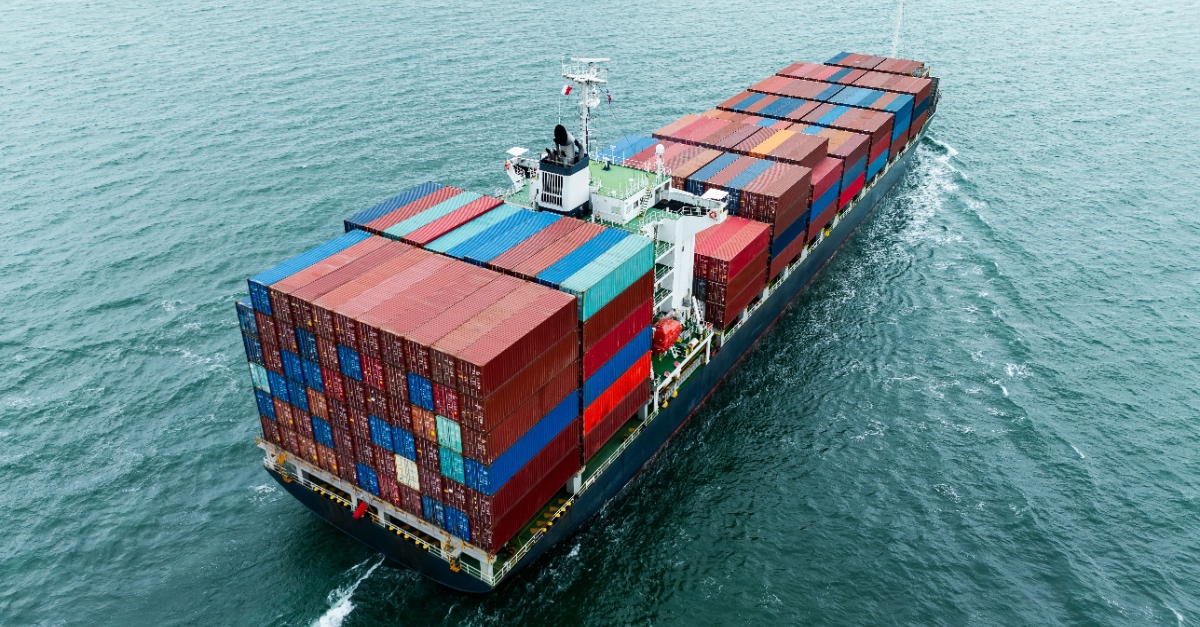
“Uncertainty is expensive. Ships at sea don’t know which port to sail. Investment decisions have been delayed. Financial markets are still volatile.”
She noted that effective U.S. tariff rates have risen sharply, and the global surge in non-propaganda trade barriers suggests that these shifts have a disproportionate impact on emerging and low-income countries, which are more vulnerable to external shocks and a decline in aid flows.
“In a multipolar world, national security has become a major driver of trade policy. Making things may be more important than their cost. Self-reliance is making a comeback,” said Georgeeva. While strategic autonomy may provide short-term political benefits, it ultimately leads to short-term political benefits, it will ultimately create productivity and innovation through the competitive industrial scope.
Despite these pressures, the IMF has not predicted its new forecast of global recession. However, Georgieva said there are significant growth forecasts and rising inflation forecasts are forecast in several economies.
“Earlier this month, we saw some abnormal movements in key bond and money markets,” she said. “This movement should serve as a warning. If the financial situation worsens, everyone will suffer.”
She called on the country to accept domestic reforms and promote rebalancing of the macroeconomics to enhance resilience. These include promoting domestic consumption in China, promoting fiscal integration in the EU and reducing the U.S. budget deficit.
Georgieva stressed the urgent need for international cooperation to prevent further dispersion of the world economy. “We need a more resilient world economy, not a divided situation,” she said. “Trade policy must provide a higher area and provide a blow to those who lose.”
Her conclusion says distribution policy is crucial to bridge a good political economy.
