
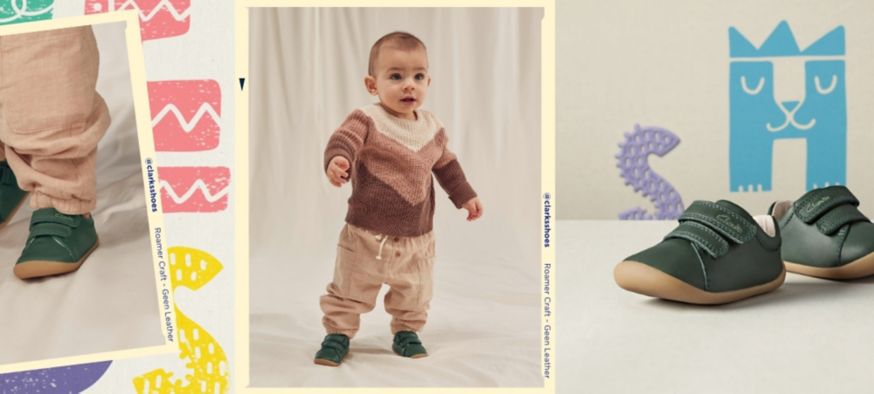
Proper footwear is important for babies who are learning to walk because it can help support their steps and promote healthy growth and development. In the early stages of walking, babies’ feet are still developing and they need additional support and protection to avoid injuries and discomfort.
Wearing the right shoes can also help your baby develop good walking habits and postures, which can benefit them later in life. Suitable and with non-slip soles can help your baby get better traction and stability, thereby reducing the risk of falls and injuries.
Choosing the right shoes for your baby can be a little overwhelmed, but there are a few things to remember. Look for shoes that are lightweight, soft and made from breathable materials like leather or canvas. Avoid using hard soles or a lot of extra padded shoes as these shoes can interfere with your baby’s natural foot movement and development.
Choosing the right shoes is also important. Shoes that are too tight can limit your baby’s footsteps, while shoes that are too loose can cause them to trip. Make sure to measure your baby’s feet regularly and choose the one that suits the shoes that their feet grow.
In addition to wearing the right footwear, you can do other things to promote healthy foot development for babies, for example, they have many opportunities to walk barefoot on safe, flat surfaces such as hardwood floors or grass. This can help strengthen their foot muscles and improve their balance and coordination.
Overall, proper footwear is an important aspect of baby’s overall development, and choosing the right shoes can help support healthy footwork growth and promote safe, confident walking habits.
The importance of infant foot development
Infant foot development is a key aspect of the overall growth and development of the baby. Babies’ feet are made up of soft bones, muscles and ligaments that are still developing and growing rapidly. In the first few years of life, babies’ feet can be up to two sizes every three months.
Also read: Products that can be derived from inorganic waste
Proper foot development is important because it can affect the overall health and well-being of the baby. Babies’ feet provide the foundation for their entire body and will affect their posture, balance and coordination. Strong, healthy feet can also help prevent injuries and promote a positive, healthy lifestyle.
Improper footwear can hinder foot development by limiting natural foot movement and preventing proper muscle and bone growth. Shoes that are too tight, too stiff or thick soles can interfere with the baby’s natural footsteps and development, resulting in problems such as flat feet, poor balance and weak foot muscles.
Choosing right footwear is crucial to promote healthy foot development in babies. It is important to choose lightweight, soft and made from shoes that are easy to move naturally on your feet. The shoes should also be properly installed and there is plenty of room for the baby’s feet to grow and move comfortably.
In addition to proper footwear, keeping babies walking and playing barefoot on a safe, flat surface can also help strengthen foot muscles and promote healthy foot development. Activities like belly time, crawling and toys can also help strengthen the muscles of the feet and legs for better balance and coordination.
What to look for in baby footwear
- Proper size and size: Proper shoes are essential for healthy foot development and can help prevent injuries. Make sure to measure your baby’s feet regularly and choose shoes that fit but not too tight.
- Flexible soles: Shoes with flexible soles can allow your baby’s feet to move and bend naturally, which is important for healthy foot development.
- Breathable Material: Shoes made of breathable materials such as mesh or leather can help keep your baby’s feet cool and dry, reducing the risk of irritation or infection.
- Lightweight design: Heavy shoes may feel uncomfortable, making it harder for the baby to walk. Look for lightweight shoes that won’t hold your baby down.
Also read: The best pacifiers for newborns
- Anti-slip sole: Shoes with non-slip sole can help prevent slips and falls, providing extra protection for your baby.
- Arch Support: Some baby walking shoe laces have arched support, which can help improve the balance and comfort of the baby while walking.
- Cushioning: Shoes with cushioned soles can help absorb shock and reduce impact, providing extra comfort and protection to the baby’s feet.
Benefits of proper baby walking shoes
- Proper foot development: Well-designed baby walking shoes will support healthy foot development by allowing feet to move and naturally bend.
- Improved balance and stability: Good walking shoes provide support and stability to your baby’s feet, helping them balance and walk with more confidence.
- Protection from injury: Shoes with non-slip soles and a solid construction can help prevent slips, waterfalls and other injuries when babies learn to walk.
- Comfort and irritation reduction: High-quality materials, good ventilation and a comfortable fit can help you reduce irritation and discomfort in your baby.
- Encourage proper walking techniques: Designing the right shoes can encourage your baby to walk in the right form and technology, which may be beneficial for their overall development.
When to introduce baby walking shoes
It is important to note that babies do not need walking shoes before walking independently. Typically, most babies start walking from 8-18 months, with an average of 12 months. Here are some signs that your baby might be ready to wear shoes:
- Pull up and stand and cruise along furniture or other surfaces.
- Take a few steps yourself or try to do so.
- Show interest in standing and walking.
When introducing walking shoes to your baby, it is important to start with a soft, soft pair that will allow them to continue developing foot muscles and balance. Look for shoes with wide toe boxes that can perform a lot of exercise and growth and avoid stiff soles, which hinder proper foot development.
To introduce their new walking shoes to your baby, try to get them to wear for a short time around the house. As your baby becomes more comfortable and get used to shoes, you can gradually increase the amount of time they wear each day. Always make sure the shoes are properly installed and ensure that your baby’s feet have room to move and grow.
Proper baby walking shoes are essential for the overall development of the baby’s feet. Choosing the right walking shoes with flexible soles, breathable materials, anti-slip soles and proper cushioning can help you with proper foot development, improve balance and stability, protect injuries, and encourage proper walking techniques.
It is important to find signs that your baby has ready walking shoes and gradually introduce them. As babies grow and develop, continue to prioritize appropriate footwear to support their continued development.
Read Also: Understanding Baby Rash – Common Types and Treatment Options
