
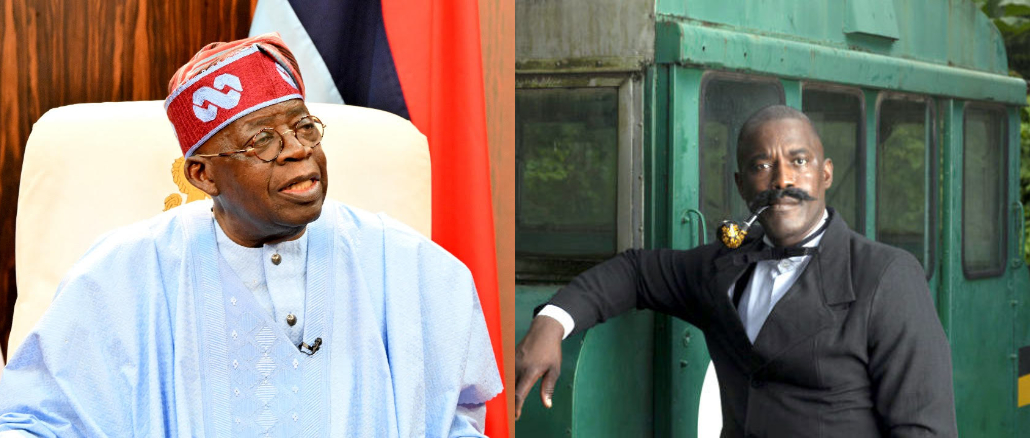
- The family of the late nationalist Herbert Macaulay has refused to include him on the federal government’s recent list of individuals who have received presidential pardons.
- Speaking on behalf of the family at a press conference in Lagos, Chief Olabode George said while they appreciated President Bola Tinubu’s recognition of Macaulay’s legacy, it was “wrong and degrading” to group him with people of questionable character.
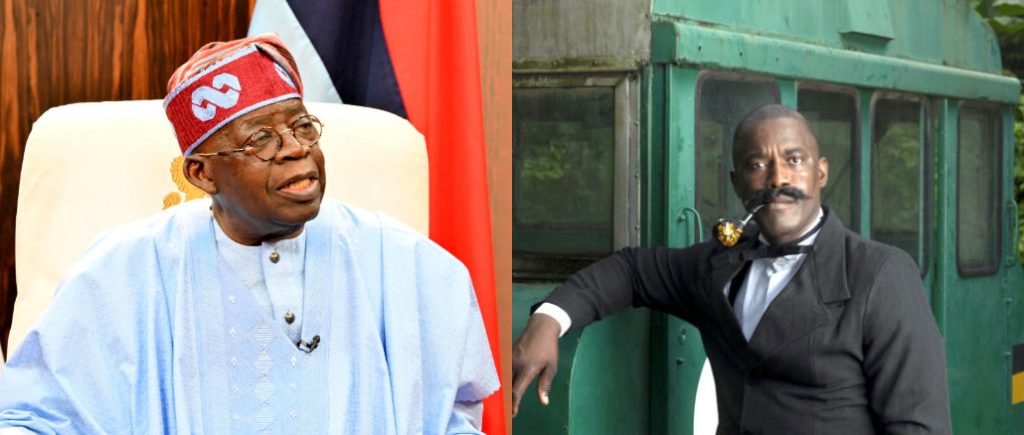
The family of the late nationalist Herbert Macaulay has refused to include him on the federal government’s list of individuals to receive a presidential pardon.
While praising President Bola Tinubu for acknowledging Macaulay’s role in Nigeria’s history, the family said it was “wrong and degrading” to associate his name with someone of questionable character.
Speaking at a press conference in Lagos on Thursday, Chief Olabode George, an elder statesman representing the family, said:
“If you want to respect your dad, you have to respect him independently.”
“Herbert Macaulay was not a criminal; he was a patriot, a visionary and the grandson of the first African Anglican bishop. In the name of national honor he should be segregated rather than listed as a criminal,” he added.
George in a speech titled “Herbert Macaulay: The Father of Nigerian Nationalism” tells the story of Macaulay’s radicalism, his defense of Oba Eshugbayi Eleko, and the founding of Nigeria’s first political party, the NNDP, in 1923, via the Lagos Daily News.
He reminded Nigerians:
“Herbert Macaulay died in 1946 fighting for national unity. He was a patriot to the end of his life, not a felon worthy of pardon.”
George urged today’s leaders to emulate Macaulay’s integrity and service-oriented politics, saying:
“If we truly seek to honor Herbert Macaulay today, we must do so with more than words or statues. We must embody his principles in our political integrity, accountability and service to the people.”
Notably, Macaulay was one of the 175 persons recently pardoned by the Tinubu government under the amnesty prerogative approved by the Council of State.
