
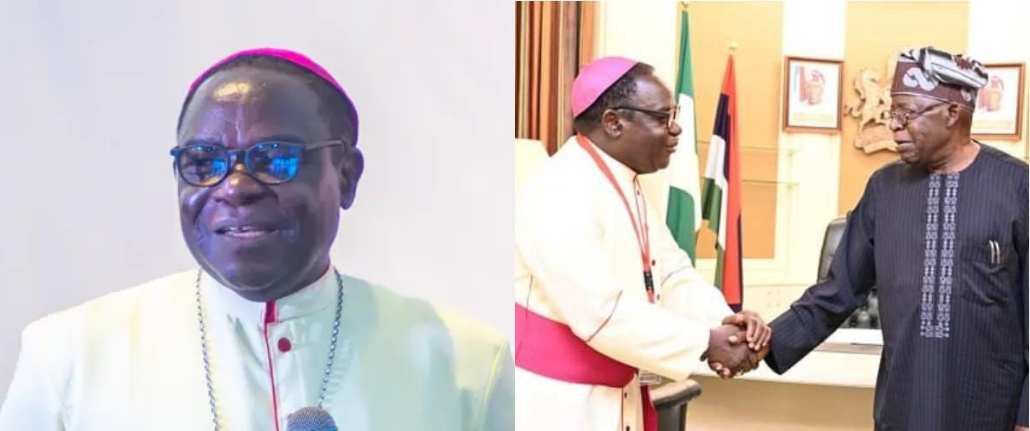
- Bishop Matthew Kukah has clarified that he has never denied the persecution of Christians in Nigeria, saying his remarks were misrepresented, stressing that insecurity affects all Nigerians.
- Controversy erupted after former US President Donald Trump redesignated Nigeria as a Country of Particular Concern (CPC) on October 31 over allegations of Christian genocide.
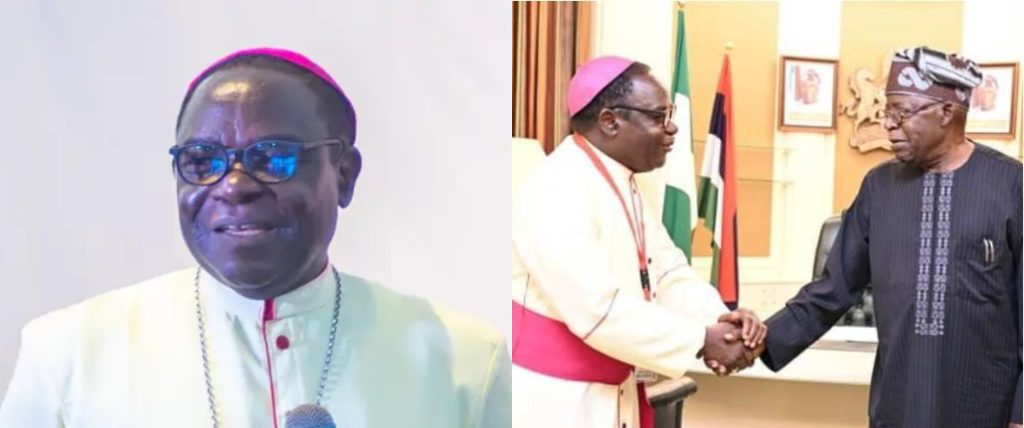
Catholic Bishop Matthew Kukah of the Diocese of Sokoto has refuted reports that he said there is no persecution of Christians in Nigeria, saying his remarks had been misunderstood.
Kuka made the clarification while speaking on the nationally broadcast radio program “Boiling Point” on Sunday.
Controversy erupted after former US President Donald Trump redesignated Nigeria as a Country of Particular Concern (CPC) on October 31 over allegations of Christian genocide. The CPC label is used for countries accused of “systemic, persistent, and serious violations of religious freedom.”
Although the Nigerian government denies claims of genocide, the issue gained global attention after Trump warned in November that the United States might intervene militarily to protect Nigerian Christians. On December 25, the United States subsequently conducted air strikes on two terrorist hideouts in the Bauni Forest area of Tangasa Local Government Area of Sokoto State.
In response to the reports, Kukah said his previous remarks were taken out of context.
“I never denied that our people were being killed [Christians],” he said.
“I don’t want to elaborate on the mischaracterization of what I said, but I am shocked that Christians are going around saying that I said there is no persecution of Christians in Nigeria.”
He emphasized that he has always acknowledged violence against Christians.
“The only clarification I can give is that I have never denied that Christians in Nigeria are being persecuted. Whether it’s persecution or genocide, in God’s eyes this should not have happened,” Kuka said.
“No matter where we get help from, Trump, no matter what, these killings should never have happened in the first place.”
Kukah also noted that insecurity affects all Nigerians regardless of their religious beliefs.
“At the heart of my argument about security in Nigeria is that no matter where you are, whether you are a Muslim or a Christian, you are at risk of being kidnapped,” he said.
He added that Nigerians “feeling vulnerable and unprotected regardless of their creed, race or social class”.
