
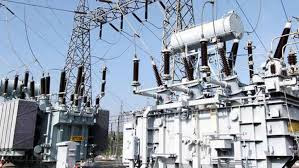

Just when we thought 2026 might be different, it happens again. Just at Friday, January 23, 2026 at 1:00 pmNigeria’s National Grid is officially connected to the grid collapsedplunging the entire country into darkness.
From the bustling streets of Lagos to the ancient city of Kano, homes, businesses and essential services are now grappling with complete power outages. Preliminary reports from distribution companies (DisCos) confirm grid output plummets to alarming levels zero megawatt. Yes, you read that right——zero.
familiar dark cycle
For many Nigerians, this is not just news; It’s a painfully familiar feeling. The National Grid has a history of frequent collapses, with multiple incidents occurring every year. Each crash brings:
-
Economic catastrophe: Businesses came to a standstill. Small and medium-sized businesses that rely on electricity for production, cooling and even basic lighting face direct losses.
-
Family setbacks: Food spoils, homes become unbearably hot, and the basic rhythms of daily life are disrupted.
-
Public safety issues: Hospitals are in trouble, traffic lights are out, and security concerns are growing in the darkness.
What we know so far
As of now, the Transmission Company of Nigeria (TCN) has not released an official statement detailing the cause of the accident. However, common reasons for such failures often include:
-
Systemic failure: Technical problems with power plants or transmission lines.
-
Natural gas supply shortage: Many of Nigeria’s power plants rely on natural gas, and outages can quickly affect the entire grid.
-
Vandalism: Attacks on critical power infrastructure, although less common in the event of a total grid collapse.
Whatever the cause, the immediate impact was nationwide power outages, leaving millions frustrated and confused: “When will the lights come on again?”
The pursuit of stability: the lingering promise
Every new government has promised to solve Nigeria’s long-standing electricity problems. Investments have been announced and reforms implemented, but stability remains elusive. The first National Grid collapse of 2026 was a harsh reminder of the fundamental problems still plaguing our power industry.
Nigerians are tired of this cycle. We need sustainable solutions, not just temporary fixes, to ensure reliable power for our homes, industry and future.
What are your thoughts on this latest grid meltdown? How does it impact you and your business? Share your frustrations and solutions in the comments below!
