
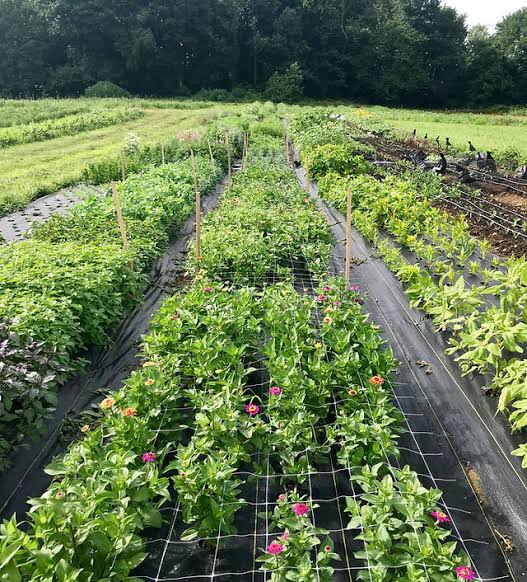
Seed farming, also known as seed production, is the process of planting and producing seeds for commercial or personal purposes.
Seed farming has been around for centuries, but it has recently attracted interest due to the growing demand for high-quality seeds.
In this article, we will explore the full reasons why people should enter seed planting and seed farms.
Reasons for entering seed planting
High demand for high-quality seeds
One of the main reasons people should enter seed cultivation is the high demand for high-quality seeds. Farmers and gardeners are always looking for seeds that can produce healthy, robust plants.
As a seed farmer, you can meet this need by producing high-quality seeds that are disease-resistant, drought-resistant and high yields. This demand can be translated into profitable business for seed farmers.
Preserve rare and endangered plant species
Seed farming also plays a crucial role in preserving rare and endangered plant species. Many plant species are at risk of extinction due to habitat destruction, climate change and other factors.
Also read: Top 10 Human Jobs to Be Replaced by Artificial Intelligence
Seed farmers can help protect these plant species by planting and producing seeds. This effort can be rewarded financially and socially because it helps preserve the planet’s natural biodiversity.
Sustainable Agriculture
Seed farming is a key part of sustainable agriculture. The production of high-quality seeds that are critical to sustainable agriculture is crucial to disease-resistant and drought-resistant production.
By producing these seeds, seed farmers can help reduce the use of pesticides, herbicides and fertilizers that are harmful to the environment.
This helps ensure that future generations have access to healthy and nutritious food.
Food security
Seed farming is also crucial to food security. As the global population grows, the demand for food continues to grow.
Seed farmers can help meet this need by producing high yields of high quality seeds. This can help ensure there is enough food to feed the growing population.
What is a seed farm?

Seed Farm is a farm specializing in seed production. Seed farms produce seeds for a variety of crops, including vegetables, fruits, cereals and flowers.
Seeds produced by seed farms are used by farmers, gardeners and other seed companies. Seed farms use a variety of techniques to produce high-quality seeds, including selective breeding, hybridization and genetic modification.
Seed farms usually have areas dedicated to producing specific seed crops. These fields are carefully managed to ensure that the plants produce high-quality seeds.
Seed farms also use specialist equipment such as seed drills and seeders to grow and harvest seeds.
Seed farms are also responsible for ensuring the purity of the seeds they produce. This is done by isolating seed crops from other plants that may cross-pollinate with them.
Seed farms also conduct seed purity tests to ensure that the seeds are of high quality and are free of contaminants.
How to build a seed farm
Opening a seed farm can be an exciting and meaningful adventure. It not only provides opportunities to plant and produce high-quality seeds, but also helps to protect plant genetic diversity and can have a positive impact on the environment.
However, opening a seed farm requires careful planning, research and a lot of effort.
In this article, we will discuss the steps to opening a seed farm, from choosing the right location to marketing your product.
Step 1: Conduct Market Research
Before opening a seed farm, it is important to conduct market research to determine the demand for different types of seeds in your area.
This involves identifying the most common crops in your area and the varieties of those in high demand.
You should also look at competition in your region to determine any gaps in the market that can fill in the product.
Step 2: Select the correct location
Choosing the right location for your seed farm is crucial to its success. The location should have the right soil and climatic conditions to grow the crops you plan to produce.
Also read: How environmental education inspires cleaning habits and behaviors
Considering water availability, transportation and potential customers’ distances are also important. You may want to consider initially leasing the land to minimize costs until it is established.
Step 3: Develop a business plan
A business plan is your seed farm roadmap that will guide you in your decision making to get started and grow your business.
It should include a description of your business, market analysis, financial forecasting and marketing strategies. Business plans will also help you secure financing if needed.
Step 4: Obtain the necessary licenses and licenses
To run a seed farm, you may need to obtain a license and license from the state or local government. This may include business licenses, tax registrations and environmental permits.
You should consult a local government agency to ensure you have all the necessary permits and permits before starting a seed farm.
Step 5: Prepare the land
Preparing the land to plant involves cleaning up the land, tilling the soil, and adding any necessary amendments to the soil to ensure it has the necessary nutrients required for plant growth.
You may also need to install an irrigation system and fence to protect your crops from pests and animals.
Step 6: Select Right Crop
Choosing the right crop for your seed farm involves considering market demand, soil and climatic conditions, and seed availability.
You may want to focus on producing open pollinated seeds, which are often the needs of farmers and gardeners who want to maintain genetic diversity.
Hybrid and GMO seeds may also require commercial farmers with uniform crops with specific characteristics.
Step 7: Implement crop rotation and management practices
Crop rotation is a basic practice in seed farming that involves rotating crops to prevent soil consumption and reduce the risk of pests and diseases.
Also read: Complete Guide to E-waste (E-waste) Management
It is also important to implement other management practices, such as integrated pest management, to minimize pesticide use and reduce the environmental impact of seed farms.
Step 8: Harvest and process seeds
Harvesting and processing seeds requires careful planning and attention to detail. Seeds must be harvested at the right time to ensure they are mature and feasible.
After harvesting, the seeds must be processed to remove debris, husks and other unwanted materials to ensure that only high-quality seeds are sold to customers.
Step 9: Market and sell your seeds
Marketing and selling seeds are an important part of running a successful seed farm. You can sell seeds directly to farmers, gardeners and other seed companies, or through the online marketplace.
You may also want to attend local farmers’ markets and trade shows to promote your products and build relationships with potential customers.
In short, seed farming is an important part of agriculture and plays an important role in ensuring food security and maintaining biodiversity.
As we have seen, seed farming can be a profitable business and a way to contribute to the sustainable agricultural movement.
Seed farms are responsible for producing high-quality seeds used by farmers, gardeners and other seed companies around the world.
By entering seed farming, you can help meet the growing demand for high-quality seeds while having a positive impact on the environment and the world around you.
Also read: The Impact of Environmental Pollution
