
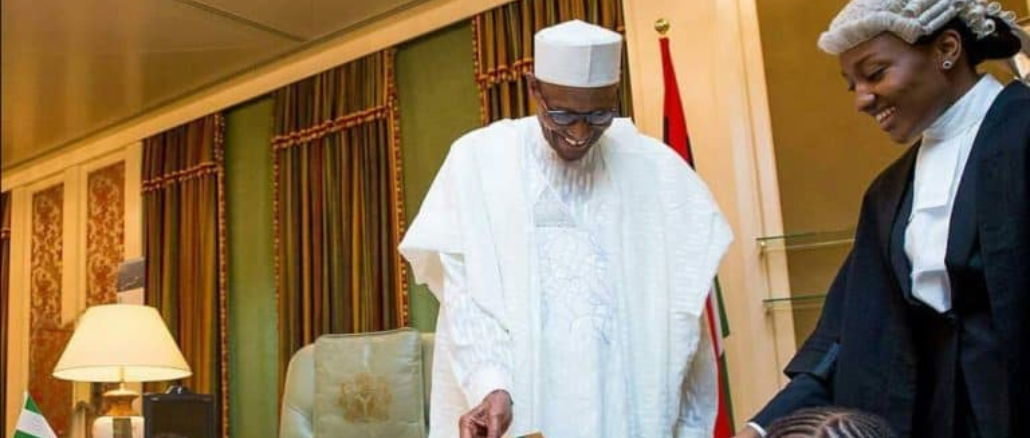
- Halima Buhari says her late father, former President Muhammadu Buhari, realized that Nigerians were disappointed with his government.
- Speaking at a book launch in Abuja, she noted that he understood unmet expectations, listened to criticism and grappled with the difficult realities of leadership.
- She added that his legacy would continue to be subject to public debate.
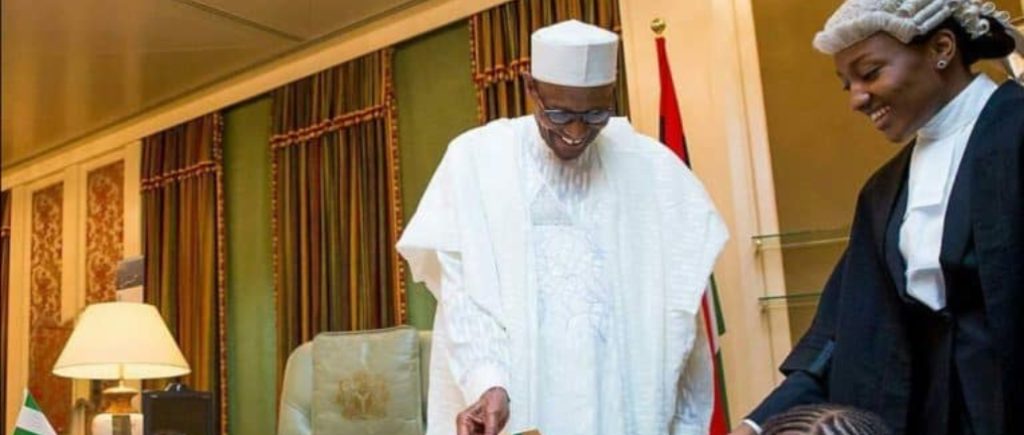
Former President Muhammadu Buhari’s daughter, Halima Buhari, has revealed that her late father was fully aware of the disappointment many Nigerians felt with his administration. She declared this in Abuja during a public presentation of a book by former Minister of Information and Culture, Lai Mohammed.
Halima said Buhari understands that the high expectations placed on him have not been fully met, especially in the areas of security and economic management. She explained that governance in Nigeria is more complex than it seems, involving difficult compromises and constant pressure.
She said: “Behind every highlight reel is a human being; sometimes tired, sometimes determined, sometimes frustrated, but always painfully aware that his decisions have impacted millions of lives.
“That man was our father. I saw a side of him that was never shown on television and rarely shown in print.
“I saw this man sitting quietly, listening more than he spoke. This man was worried about the safety of ordinary people.
“This person is troubled by the gap between what is promised and what is possible.”
She described her father as a deeply reflective leader who worried about the real-life consequences of his decisions and listened carefully to criticism. Halima stressed that while Nigerians know him as President Buhari, at home he is just “Baba”, a man troubled by the gap between promises and reality.
Buhari’s legacy will continue to be debated, she added, noting that such discussions were vital to a healthy democracy.
She said: “This particular book, written by someone from the inner circle of communications and messaging, provides an important perspective on how government must be shaped and sometimes challenged in the court of public opinion.”
