
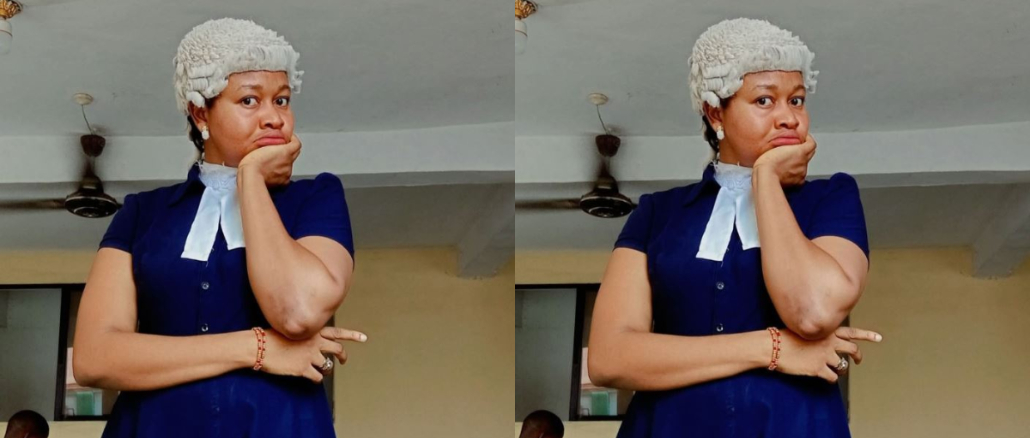
- A lawyer has gone viral after advising a woman whose husband requested a DNA test. She recommended allowing the test but bringing a civil claim for breach of trust and £100 million in damages if paternity was confirmed.
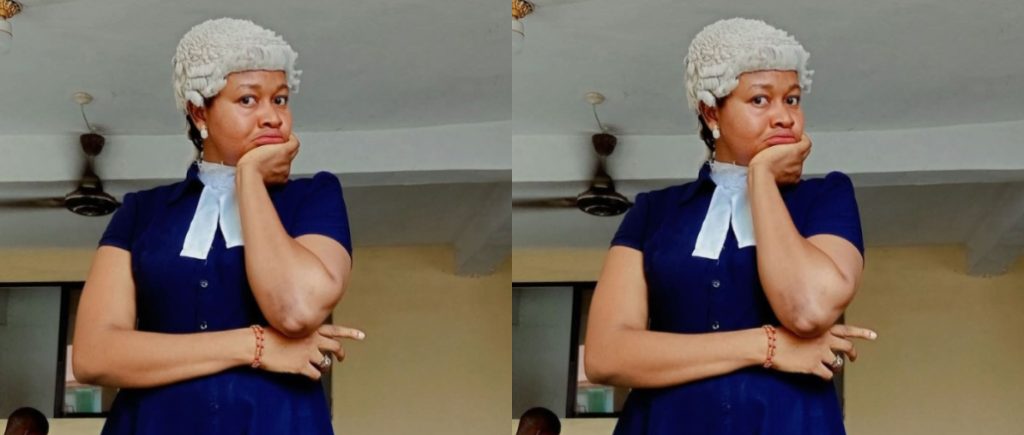
A Nigerian lawyer has gone viral after sharing bold legal advice to women whose husbands demand DNA tests for their children.
She said women should allow the test to be carried out but should take legal action if the results confirmed paternity. She wrote:
“If your husband threatens to take a DNA test on your children and you know they are his. Just let him do it. Once the results are positive, go straight to a solicitor. Make a civil claim for breach of trust and seek £100m in damages. Marriage is not a proving ground for suspicion. Let him test. Let him confirm. But don’t let him breach your trust. The case is closed. There is no room for appeal.”
Her advice sparked widespread discussion online, with many praising her for empowering women to assert their rights in challenging situations while maintaining dignity.
In other news… A Nigerian-born nurse, Chimzuruoke Okembunachi, has had her nursing license revoked in Australia after a court found she put elderly residents at risk by repeatedly falling asleep during night shifts at an aged care facility.
The NSW Civil and Administrative Tribunal ruled on January 20 that her conduct in March 2024 amounted to professional misconduct, resulting in her registration being cancelled.
Okembunachi, 25, is the only registered nurse on duty during several night shifts at Hardi Aged Care in Guildford, in Sydney’s west, caring for about 100 residents with the support of nursing assistants.
The court heard she spent six nights sleeping on duty, resulting in missed medications, including missing morphine on three occasions. On one occasion, she allegedly directed an unauthorized assistant to administer Panadol to a patient.
Although the court acknowledged her remorse, it ruled that deregistration was necessary and said her behavior had the potential to endanger patients’ lives. She was banned from applying for review for at least nine months.
