
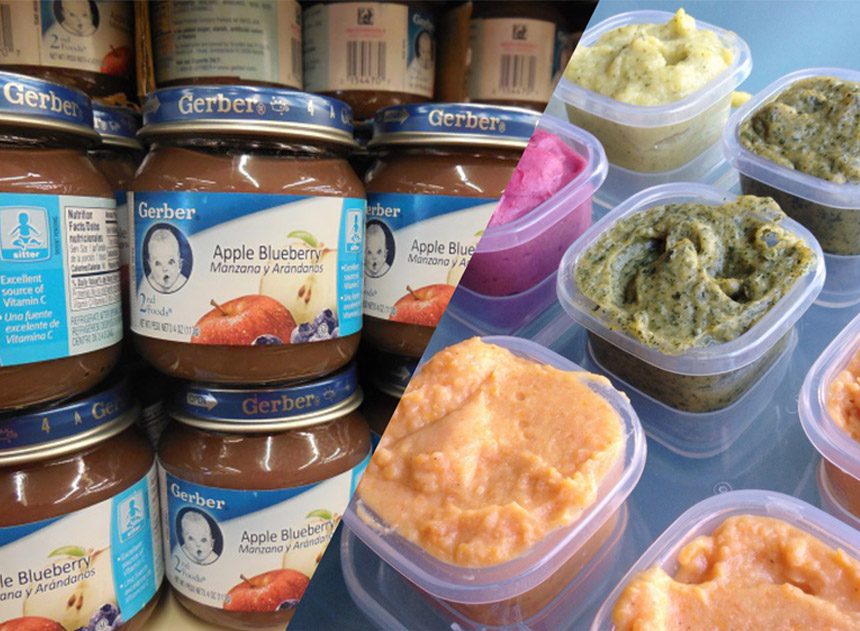
Choosing the best baby food is essential to support your baby’s development and ensure they receive the proper nutrition. Here is an overview of two options: homemade baby food and store-bought baby food.
- Homemade baby food:
Homemade baby food refers to food prepared at home using fresh ingredients and then puree or mash to suit the appropriate consistency of the baby. Some of the benefits of homemade baby food include:
- Control ingredients: When making homemade baby food, you can control the quality and type of ingredients you use. This allows you to choose organic or locally sourced produce and control the amount of sugar, salt or preservative added.
- Customization: Homemade baby foods can be customized to taste, texture and combination according to the baby’s preferences and developmental stages, making it more flexible. You can gradually introduce a variety of flavors and textures to expand their texture.
- Cost-effective: Making baby food at home can be cost-effective, especially when using seasonal produce and buying in bulk. However, it is important to ensure that homemade baby food is prepared and stored safely to minimize the risk of foodborne illness. Proper hygiene, cooking, mud and storage habits should be followed.
- Store-purchased baby food:
Store-purchased baby food refers to commercially prepared baby food available in jars, pouches, or containers. Here are some of the advantages of store-bought baby food:
- Convenience: Store-buyed baby food provides convenience because it is ready and does not require preparation. This can be especially useful for busy parents or when traveling.
- Variety and Nutrition: Commercially prepared baby foods are often available in a variety of flavors and combinations. They also formulated them to meet the nutritional needs of the baby and may contain fortified nutrients such as iron, which is important for their development.
- Safety and regulations: Commercial baby foods undergo strict quality control and safety regulations to ensure they are free of harmful bacteria and meet certain standards. It is important to read the label and choose store-bought baby foods that add sugar, salt and preservatives. It is also recommended to check the expiration date and check the packaging for signs of damage or tampering.
Also read: How to correctly reduce waste in your home
Ultimately, the choice between homemade and store-buyed baby food depends on personal preferences, time availability, and the ability to ensure food safety. Some parents choose to combine these two options to offer homemade baby food where feasible and convenient, and rely on store-bought options to increase variety or when traveling.
Before introducing any new food or making significant changes to your baby’s diet, consult a healthcare professional or pediatrician for guidance tailored to your baby’s specific needs, and any potential allergies or dietary restrictions they may have.
Considerations for choosing the best baby food choice

When choosing between homemade food and store-buying, there are several considerations that can help you make the best decision for your baby:
- Developmental stages and feeding ability: Consider the baby’s age and developmental stage. Young babies may need puree or mashed potatoes, while older babies may have texture or finger food ready. Homemade baby foods can be customized and adapted to the specific needs and abilities of babies at different stages.
- Allergies and dietary restrictions: If your baby is known to be allergic or dietary restrictions, homemade baby food may be the first choice because it allows you to completely control the ingredients and avoid potential allergens. Store-buyed baby foods usually have clear labels for allergens, making it easier to choose the right option.
- Time availability and personal preferences: Consider your schedule and personal preferences. Homemade baby food takes time to shop, prepare, cook and puree. If you love cooking and have time to invest, making homemade baby food can be a meaningful experience. Store-buying baby food, on the other hand, provides convenience, especially when time is limited or busy.
- Balanced Nutrition and Variety: Whether you choose homemade or store-bought baby food, it is important to provide a balanced and diverse diet for your baby. Homemade baby foods allow you to try a variety of flavors and textures, providing different nutrients. Store-buyed baby foods can provide convenience and diversity, but introducing homemade options to expand the texture of your baby and ensure a nutritious intake is still beneficial.
- Consult with a health care professional: It is always recommended to consult with a health care professional or pediatrician, especially if you introduce new foods or if your baby has specific dietary needs or concerns. They can provide guidance based on their baby’s personal requirements and help you make informed decisions about the best choice for their nutrition and development.
Remember that the goal is to provide your baby with a variety of nutritious foods, taking into account its developmental needs, allergies, personal preferences and your own time availability.
There is no need to specifically choose one option instead of the other; you can combine homemade and store-bought baby food to achieve the best balance for you and your baby.
Combining homemade and store buying methods
Combining homemade and store-buyed approaches to feeding babies can provide the benefits of both options. Here are some strategies for incorporating homemade baby food into your daily routine of store purchases:
- Start gradually: If you use store-bought baby food, you can first introduce a small amount of homemade food along with familiar store-bought options. First, use a single ingredient to monitor any potential allergies or reactions to start simple pureed or civil mud foods.
- Mix and match: As your baby gets used to homemade food, you can gradually increase the proportion of homemade food in your meal. Mix store-buy and homemade options together to introduce new flavors and textures while keeping some familiarity.
Read also: Basin Pollution Solutions and Management
- Introducing new ingredients: Homemade baby foods allow you to introduce a variety of ingredients and flavors. As your baby develops, try different fruits, vegetables, grains and proteins. This helps to expand their texture and expose them to a range of nutrients.
- Please note consistency: Homemade baby foods may have a different texture compared to store-bought options. Gradually adjust consistency to match the baby’s developmental stage and ability to handle thicker textures.
- Do extra freezing: When preparing homemade baby food, consider making larger batches and freezing them in a serving size container or ice cube tray. This way, you will have convenient homemade options that are ready to use.
- Choose a special homemade meal: Keep homemade baby foods, like family dinners, or when you have more time to prepare. This allows you to enjoy the process of cooking and sharing meals while ensuring your baby gets a variety of homemade options.
- For convenience, choose a store-bought store purchase: Store-bought baby food can be convenient on the go or when you are not in time. These options can be used as backups or supplements to ensure that your baby’s nutritional needs can meet your nutritional needs even during busy times.
Remember that whether you choose homemade or store-buyed baby food, it is important to prioritize your baby’s nutritional needs and ensure a balanced diet. Consult a personalized guidance from a healthcare professional or pediatrician based on your baby’s specific developmental stage and dietary requirements.
Consult a healthcare professional
Consulting with a health care professional such as a pediatrician or a registered dietitian is very beneficial in terms of nutrition and feeding for babies. This is why it is important and how to help you:
- Expert guidance: Healthcare professionals have expertise and expertise in infant nutrition and development. They can take into account factors such as allergies, dietary restrictions and growth patterns to tailor evidence-based advice to your baby’s personal needs.
- Meeting specific needs: If your baby has specific dietary needs or preferences, such as allergies, intolerances, or medical conditions, a healthcare professional can help you with these challenges. They can recommend appropriate food choices, modifications and alternatives to ensure your baby gets adequate nutrition while managing any specific issues.
- Growth and Development Monitoring: Healthcare professionals play a vital role in monitoring the growth and development of babies. They assess weight, length, head circumference and other development milestones to ensure your baby thrives. By tracking your baby’s progress, they can identify any potential problems or gaps in nutrition that may need to be addressed.
- Introduction of Solids and Food Progress: Introducing Solids into your baby’s diet is an important milestone. Healthcare professionals can guide you in the right time and progress of introducing different foods, textures and flavors based on your baby’s preparation and development stages.
- Handling Feeding Challenges: If you experience challenges during your meals, such as feeding aversion, transitioning to solids, or concerns about nutritional adequacy, health care professionals can provide strategies, support, and assurance. They can help solve problems and provide practical tips to ensure a successful feeding experience.
- Nutritional advice: Healthcare professionals can provide evidence-based advice for the growth and development of babies. They can guide you with the right amount of protein, carbohydrates, fats, vitamins and minerals needed for optimal nutrition.
It is important to proactively communicate any questions or questions about your baby’s dietary needs or preferences for healthcare professionals. They are there to support you and provide guidance based on your baby’s unique circumstances.
Remember that every baby is different, and personalized advice is valuable to ensure your baby gets the best nutrition. Regular check-ups and communicating with health care professionals will help you maintain knowledge and confidence in feeding decisions.
Read Also: Check the amount of carbohydrates with these low-carb Starbucks drinks
