
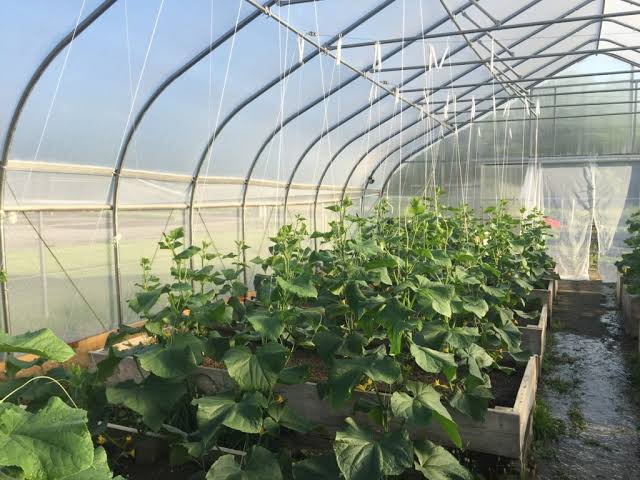
In recent years, as a means of sustainable agriculture, interest in microagriculture has become increasingly important. Micro-agriculture is the practice of growing food and other crops on a small scale in urban or suburban environments.
Microfarmers often use growth-enhancing techniques, such as vertical farming or hydroponics, to maximize space and resources.
One of the benefits of microagriculture is that it can provide fresh, locally grown agricultural products to communities that may not be available.
Many microfarmers sell crops at farmers’ markets or through community-supported agriculture (CSA) programs that allow people to buy part of the farmers in advance.
Micro-agriculture is also likely to be more environmentally sustainable than traditional agricultural methods. By growing crops in urban areas, microfarmers can reduce carbon emissions from transporting food from rural areas to cities.
In addition, many microfarmers use organic cultivation practices, which can help reduce the use of harmful pesticides and fertilizers.
Another advantage of microagriculture is that it can provide an income stream for people who may not have access to traditional employment opportunities.
Micro-tillage can be done on a small scale and is performed at a relatively low start-up cost, which makes it available to people from all backgrounds.
Read also: Climate Change and Restoration Meteorology
This is especially true in developing countries, where micro-agriculture is used as a means of poverty reduction.
Despite the benefits of micro-agriculture, it also has some challenges. One of the biggest challenges is that making a living from microagriculture alone can be difficult, especially in areas where living costs are high.
Additionally, microfarmers may face zoning restrictions or other regulatory hurdles, which may make it difficult to get started.
Despite these challenges, micro-agriculture has the potential to play an important role in sustainable agriculture and community development.
By providing fresh, locally grown agricultural products, microfarmers can help improve food security and access to healthy food.
In addition, microagriculture can provide income and employment sources for people who may not have access to traditional job opportunities.
There are many examples of micro-agricultural programs around the world that have successfully improved lives for individuals and communities.
In Cuba, for example, the government has promoted urban agriculture to reduce imports of food and improve food security.
Also read: How to build a successful marketing agency from scratch
In India, microagriculture has been used as a means to empower women and promote gender equality.
Benefits of micro-agriculture

Micro-agriculture is a rapidly growing trend in agriculture, involving small-scale farming crops and plants.
With the rise of urbanization and the growing demand for locally grown agricultural products, micro-agriculture is becoming an attractive choice for those who want to grow their own food and support sustainable agriculture.
Microagriculture has many benefits, including:
(1) Health Benefits
Micro-cultivation allows you to grow your own organic fruits and vegetables that are free of harmful pesticides and chemicals.
This means you can use fresh and healthy produce throughout the year without worrying about the quality and safety of the food you eat.
(2) Save costs
By growing your own products, you can save a lot of money on your grocery bill. You can also sell any excess produce to friends, family or farmers’ markets that can provide you with an additional source of income.
(3) Environmental sustainability
Microagriculture promotes sustainable agricultural practices such as composting, crop rotation and the use of natural pest control methods.
Also read: Why You Should Make a Fitness Lifestyle
This helps reduce the use of harmful chemicals and fertilizers, which can have negative environmental impacts.
(4) Food security
By growing your own food, you can ensure you get fresh and healthy produce regardless of the availability or cost of your local produce.
This is especially important in times of crisis or food shortage.
(5) Community Building
Micro-agriculture can be a great way to build a sense of community and connect with your neighbors.
By sharing your excessive produce or participating in community-supported farming programs, you can help build a stronger and more resilient local food system.
If you are interested in opening a mini farm, there are some key things to keep in mind:
- Start small: It is important to start with a small piece of land or a few pots and then gradually expand as you gain experience and confidence.
- Choose the right plant: Make sure to choose the plants that suit your climate and soil conditions and that you are familiar with how to take care of them.
- Use sustainable practices: Use composting and natural pest control methods to promote soil health and protect the environment.
- Join the community: Join a local micro-agriculture group or CSA program to connect with other growers and learn from their experiences.
Overall, micro-agriculture is a great way to support sustainable agriculture, promote food security and build community connections.
By growing your own food, you can enjoy fresh and healthy produce while providing everyone with a more sustainable and equitable food system.
How to Start Micro Agriculture
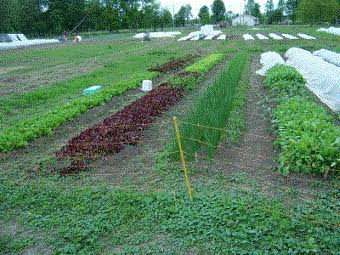
As the world continues to experience rapid urbanization, microagriculture is becoming an increasingly popular solution for those who want to grow their own food and live a more sustainable lifestyle.
Also read: Top 10 Human Jobs to Be Replaced by Artificial Intelligence
Micro-agriculture allows individuals to grow their own crops and produce them on a small scale, which is a great choice for those who may not have access to large chunks of land.
If you are interested in opening your own mini farm, please keep in mind some important steps and requirements:
(1) Determine your space requirements
Before you start a mini farm, you need to determine how much space you need to grow your crops.
You can start with smaller spaces like balcony or patio or dedicated to larger spaces, such as backyard or community gardens.
(2) Determine what you want to grow
The next step is to identify what you want to grow on a micro farm. Some good options for micro-agriculture include herbs, leafy greens and vegetables that don’t require much space.
(3) Collect your supplies
Once you know what to plant, you need to collect necessary supplies. This may include soil, compost, seeds or seedlings, gardening tools and irrigation equipment.
(4) Prepare the soil
Before sowing, it is important to prepare the soil by adding compost or other organic matter to improve its nutrient content and drainage.
(5) Planting crops
When growing crops, make sure to follow the planting instructions for each plant, including the recommended spacing and depth.
(6) Regular water and fertilization
It is important to water and fertilize regularly to promote healthy growth and yield.
(7) Harvest your crops
Once your crops are mature, it’s time to harvest them. Make sure to pick up the crop at the right time to ensure maximum flavor and nutrition.
While micro-agriculture can be a beneficial and fulfilling hobby, there are some important things to remember to ensure your success:
Do:
- Start small, as you gain experience and confidence gradually expand
- Use sustainable practices such as compost and natural pest control methods
- Join a local micro-agriculture group or CSA program to connect with other growers and learn from their experiences
- Try different crops and techniques to find what works best for you
No:
- Over-plant or overcrowded crops as this can lead to poor growth and yield
- Use harmful chemicals or fertilizers as this can negatively affect the environment and your health
- Ignore your crops as this can lead to poor growth and disease
By following the steps and requirements below and following Do and of Micro Farming, you can create a thriving micro farm that provides you with fresh and healthy produce throughout the year.
In short, microagriculture has the potential to become a powerful tool for sustainable agriculture, community development and poverty reduction.
Despite the challenges associated with it, there are many examples of successful micro-agricultural programs around the world.
By supporting microfarmers and promoting sustainable agricultural practices, we can create a more equitable and sustainable food system for everyone.
As you have read, micro-agriculture is crucial to social development and the key to a sustainable economy. However, if you find this post interesting, please share your thoughts and opinions about the post in the comments section below to let us know.
Also read: How environmental education inspires cleaning habits and behaviors
