
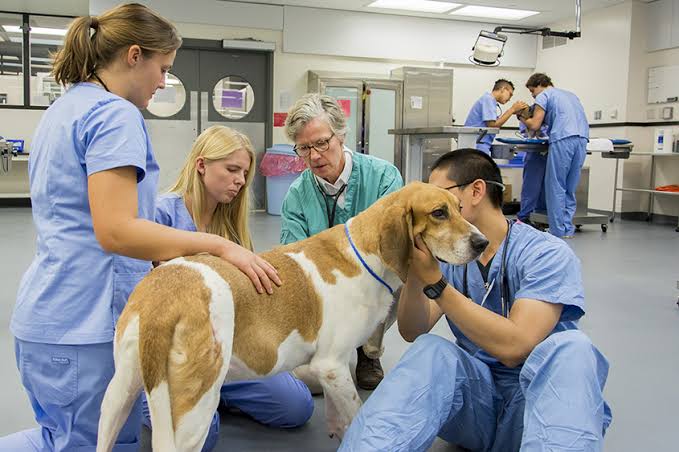
Veterinary schools are a highly professional field of research that provides students with careers that pay off for the field of animal health care. As a veterinarian, you will work with animals of all shapes and sizes, from home pets to farm animals and exotic wildlife.
In this article, we will explore the necessary conditions for success in a veterinary school and introduce you to the field of veterinary medicine.
First, it is important to understand that veterinary schools are a highly competitive and challenging program. Students need to have a strong academic background in a scientific academic background including biology, chemistry, and physics to be considered for admission.
In addition, they need to demonstrate passion for animal welfare, commitment to moral practice, and excellent communication and problem-solving skills.
Once in veterinary school, students will complete a rigorous program that combines classroom lectures, laboratory work and hands-on clinical experience.
They will learn about animal anatomy, physiology, nutrition and prevention of disease, as well as diagnostic and therapeutic techniques. They will also develop practical skills in surgery, dentistry, radiology and emergency medicine.
The field of veterinary medicine offers a wide range of career opportunities. Some graduates choose to work in private practice to treat pets and other livestock.
Others are engaged in research and development of new therapies and treatments for animal diseases. Some may choose to specialize in areas such as surgery, dentistry, or behavior, while others may work in government agencies, zoos or wildlife rehabilitation centers.
One of the most meaningful aspects of a veterinary medicine career is the opportunity to have a real impact on the lives of animals and their owners.
Whether you provide routine preventive care or treat life-threatening diseases, your work as a veterinarian directly affects the health and well-being of animals, as well as those who love them.
In short, veterinary school is a challenging and meaningful program to prepare students for careers in animal health care. It requires a strong academic background, passion for animal welfare, and excellent communication and problem-solving skills.
The field of veterinary medicine offers a wide range of career opportunities and opportunities to have a real impact on the lives of animals and their owners. If you are considering a career in this field, take the time to explore the many options available and find the path that suits you.
Prerequisites and requirements
To become a veterinarian, you must complete a Doctor of Veterinary Medicine (DVM) degree from an accredited veterinary school.
Also read: Ways to generate income from household waste
However, there are some prerequisites and requirements you must meet before you apply for a veterinary school. Here are some common prerequisites for veterinary schools:
- Bachelor’s Degree: You must obtain a bachelor’s degree from an accredited university or university. The degree can be found in any major, but many students choose to major in biology, animal science or related fields.
- Prerequisite courses: Most veterinary schools require students to complete a set of prerequisite courses before applying. These courses usually include biology, chemistry, physics, and mathematics. Some schools may also require courses in animal nutrition, anatomy and physiology.
- Veterinary Experience: Many veterinary schools require applicants to have experience working with animals. This may include working on a farm or conducting research with animals.
- Recommendation letters: Veterinary schools usually require applicants to recommend letters from professors, veterinarians or other professionals who can talk to students’ academic abilities, work ethics and animal experience.
- Standardized Tests: Most veterinary schools require applicants to take the Graduate Records Examination (GRE) or the Veterinary College Entrance Examination (VCAT). These tests evaluate the academic preparation of veterinary school students.
- GPA: Most veterinary schools have the lowest admission requirements. The average GPA of enrolled students is usually about 3.5.
- Personal Statement: Many veterinary schools require applicants to submit personal statements outlining their goals and reasons for engaging in veterinary studies.
It is important to note that the prerequisites and requirements of veterinary schools may vary from school to school. It is important to study the specific requirements of the school you are interested in applying to and make sure all requirements are met before submitting your application.
Taking a career in veterinary medicine requires dedication, hard work and passion for animals. Before applying to a veterinary school, it is important to make sure you meet all prerequisites and requirements for admission.
With the right preparation, you can take the first step towards a fulfilling career in veterinary medicine.
How to apply for a veterinary school
Applying to a veterinary school can be a daunting process, but with careful preparation and planning, the chances of being accepted can be increased. Here are some tips to remember when applying for a veterinary school:
- Research School: Before applying for a veterinary school, study different schools and their courses to determine which schools match your career goals and interests. Consider factors such as location, courses, faculty and resources.
- Meet Requirements: Ensure you meet all prerequisites and requirements of the school you are interested in. This includes completing prerequisite courses, gaining veterinary experience, conducting standardized testing, and maintaining a competitive GPA.
- Seek guidance: Consider contacting a consultant, professor or veterinarian for guidance on the application process. They can provide valuable insights into the search for admissions committees and how to stand out as applicants.
- Prepare your application: The application usually includes transcripts, test scores, letters of recommendation, and personal statement. Be sure to carefully check and proofread your application before submitting it.
- Interview Preparation: If you choose to interview, be prepared to answer questions about your background, experience and goals. Research schools and programs in advance to demonstrate your interests and knowledge.
- Show your passion: The Admissions Committee is looking for students who are passionate about veterinary medicine and have a strong desire to help animals. Highlight your experience and achievements in showing this passion in the app.
In short, applying veterinary schools require careful preparation, attention to detail and a strong commitment to the veterinary field.
By following these tips and demonstrating your passion for animals and professions, you can increase your chances of being accepted veterinary schools.
Prepare for Veterinary School Academic
Academic preparation for veterinary schools is essential to ensure success during the rigorous course waiting. Here are some tips to prepare you for a veterinary school:
- Take relevant courses: Make sure you have taken the prerequisite courses required for biology, chemistry, physics, and mathematics. Additionally, consider taking courses in animal science, nutrition, anatomy and physiology to have a strong foundation in the field of veterinary science.
- Staying a strong GPA: Admissions committees usually require a minimum GPA of 3.0-3.5, but the average GPA of admitted students is much higher. Therefore, it is important to maintain a strong academic record and aim for a GPA of 3.5 or higher.
- Develop good study habits: Veterinary schools are known to be strict and challenging, requiring discipline and commitment. Therefore, it is important to develop good study habits as soon as possible to effectively manage workload. You can practice time management, prioritize tasks, rest and seek help when needed.
- Gaining Veterinary Experience: In addition to academic preparation, having hands-on experience with animals is essential for veterinary admission. Consider getting experience in an animal shelter, working on a farm or covering a veterinarian.
- Prepare for standardized tests: Most veterinary schools require applicants to take the Graduate Records Examination (GRE) or the Veterinary College Entrance Examination (VCAT). Prepare for these tests by taking practice exams, reviewing content and seeking help from a tutor or research team.
- Develop strong writing and communication skills: Strong writing and communication skills are essential to perform well in veterinary schools. Therefore, it is very important to take courses that develop these skills, such as English or public speaking.
In short, preparing for a veterinary school requires discipline, dedication and hard work. By taking relevant courses, maintaining a strong GPA, developing good study habits, gaining veterinary experience, preparing for standardized testing, and developing strong writing and communication skills, you can increase your chances of success in veterinary school. With the right preparation, you can take the first step towards a fulfilling career in veterinary medicine.
Actually preparing for veterinary school
In fact, preparing for a veterinary school is essential to ensure success during the program and in your future career as a veterinarian. Here are some tips to help prepare for your veterinary school:
- Gaining Animal Experience: One of the most important practical preparations for a veterinary school is gaining experience working with animals. This may include volunteering in animal shelters, working on the farm or shadowing veterinarians. The more experience you have, the more preparation you can be.
- Developing technical skills: Veterinary schools require technical skills such as animal handling, surgical and laboratory techniques. Consider taking courses in animal behavior, animal care and management, and veterinary technology to develop these skills.
- Practice time management: Veterinary schools can be stressful, work-intensive, and have long hours of studying and lab work. Therefore, it is important to develop good time management skills such as creating a learning schedule, prioritizing tasks and taking a break when needed.
- Establishing support systems: Veterinary schools can be challenging both academically and emotionally. Therefore, it is important to establish a support system that can provide encouragement, advice, and motivation when needed.
- Understanding the Occupation: Veterinary School is not only about learning technical skills, but also about understanding the major and industry. Study different areas of veterinary medicine, such as small animals, large animals, or exotic animal practices, and learn about the different career paths available to veterinarians.
- Financial preparation: Veterinary schools can be expensive, so financially prepared is important. Consider applying for scholarships, grants and loans to cover tuition and living expenses.
In short, actually preparing for a veterinary school requires gaining animal experience, developing technical skills, practicing time management, building support systems, understanding the profession and being financially prepared.
By actually preparing for veterinary schools, you can increase your chances of success in the program and your future career as a veterinarian.
Also read: The Importance of Free Education – The Key to Building a Better Future
