
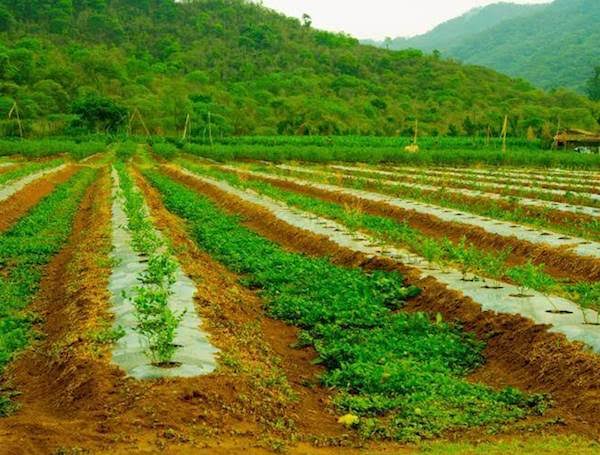
Agriculture is a multidisciplinary field that draws on knowledge from many different fields, including biology, chemistry, ecology, and economics.
Agronomists are committed to improving the efficiency and sustainability of agricultural systems and developing new crops and new ways to raise animals.
The main focus of agronomy is on the study of soil management, plant breeding, crop production and natural resource management. Agronomists study the physical, chemical and biological properties of soils and how these properties affect plant growth.
They also study the genetics and reproduction of plants and how to improve crop yields by choosing a high-quality genotype.
Crop production is another important area of agronomic research. Agronomists work to understand factors that affect crop growth and productivity, such as temperature, light, water, and nutrients.
They also study the interactions between crops and pests, diseases and weeds and develop strategies to control these factors. Agronomists also study the management of natural resources such as water and land to ensure that these resources are used efficiently.
In modern agriculture, agronomy plays a crucial role in improving crop yields, increasing efficiency and reducing the environmental impact of agricultural systems.
Agronomists are committed to developing new crop varieties that are more resistant to pests and diseases, can tolerate environmental stresses and have higher yields. They also use precise agricultural technologies to optimize inputs such as water and fertilizers and reduce waste.
This can help farmers produce more food on less land and invest less, thus reducing the environmental impact of agriculture.
Also read: Master Finance – Success Strategy
Agronomists also strive to improve the sustainability of agricultural systems through the development of practices that protect soil and water resources, reduce pollution and promote biodiversity.
This includes the use of conservation tillage, covering crops and integrated pest management. Agronomists are also committed to developing agroforestry systems that combine crops and trees to provide multiple benefits such as food, fuel and environmental services.
In short, agronomy is a key research field that plays a crucial role in modern agriculture. Agronomists are committed to increasing crop yields, increasing efficiency and reducing the environmental impact of agricultural systems, which is crucial to ensuring food security and sustainability.
Agronomic field
Agriculture is a multidisciplinary field covering several subfields, each field having its specific focus and objectives. Some of the main areas of agronomy include:
- Soil Science: The field focuses on the physical, chemical and biological properties of soils and how these properties affect plant growth. Soil scientists study soil composition, structure, and fertility and work to develop strategies to improve soil health and manage soil resources.
- Plant Breeding and Genetics: This field focuses on the genetic makeup of plants and how to increase crop yields by selecting high-quality genotypes. Plant breeders study genetic variation within plant populations and in plant populations and use this knowledge to develop new crop varieties that are more resistant to pests and diseases that can tolerate environmental stresses and have higher yields.
- Crop Science: This field focuses on the research and research on crop physiology, physiology, physiology and physiology of different crops. Crop scientists have studied factors that affect crop growth and productivity, such as temperature, light, water, and nutrients. They also study the interactions between crops and pests, diseases and weeds and develop strategies to control these factors.
- Agroecology: The focus of this field is to study the ecological interactions between plants, animals and the environment, and how these interactions affect agricultural systems. Agricultural biologists have studied different components of agroecosystem, including soil, water, air, pests, diseases and weeds, and have used this knowledge to develop sustainable and resilient agricultural systems.
- Horticulture: This field involves the cultivation of fruits, vegetables, ornaments and other plants for aesthetic or non-food purposes. Horticulturalists study the physiology, physiology and physiology of different plants and work to improve their yield, quality and disease resistance.
- Agroforestry: This field focuses on the integration of trees and crops to generate multiple benefits such as food, fuel and environmental services. Agroforestry and forestry systems can help improve soil health, prevent soil erosion, and provide shadows and habitat for wildlife.
- Agribusiness: This field involves the commercial and economic aspects of agriculture, including farm management, marketing and policy. Agribusiness professionals are committed to improving the efficiency and profitability of agricultural systems and developing new markets for agricultural products.
Each of these areas has its own specific focus, but they all work together to improve the efficiency and sustainability of agricultural systems and ensure food security for the growing global population.
Agronomic application in modern agriculture
It is used in modern agriculture to increase crop yields, reduce costs and minimize negative environmental impacts. Agronomists use their knowledge of plant physiology, soil science, meteorology and other disciplines to study crop growth and develop strategies to optimize crop production.
This includes selecting the best crops for specific regions, managing pests and diseases, and developing sustainable agricultural practices.
Also read: A comprehensive guide to dry bean production
Agronomy also plays an important role in the development of new crop varieties that are more resistant to pests and diseases and can adapt to changing climatic conditions.
Overall, the application of agronomical to modern agriculture is crucial to ensuring long-term sustainability and productivity of food systems.
Agronomic research?
Researchers in this field use scientific methods to study various aspects of crop growth, including genetics, physiology, soil science, meteorology, and more. The purpose of agronomic research is to increase crop yields, reduce costs and minimize negative environmental impacts.
One area of research in agronomic research is the development of new crop varieties. This includes breeding crops that are more resistant to pests and diseases that can adapt to changing climatic conditions and may have higher yields.
Another area of research is research on soil health, including research on methods to improve soil fertility, reduce erosion and manage nutrient levels.
Agronomic research also includes investigating sustainable agricultural practices such as precision agriculture, organic agriculture and conservation agriculture. These studies help minimize the use of harmful chemical inputs and reduce the impact of agriculture on the environment.
Overall, agronomic research is a key component in ensuring long-term sustainability and productivity of food systems. It can help farmers make better decisions, increase crop yields and reduce costs, and provide people with safe and healthy food.
Bottom line
In short, agronomy is an important science in modern agriculture because it provides the knowledge and tools needed to optimize crop production and management. By applying agronomic principles, farmers can increase crop yields, reduce costs and minimize environmental impacts.
Agronomists use their knowledge of plant physiology, soil science, meteorology and other disciplines to study crop growth and develop strategies to optimize crop production. This includes selecting the best crops for specific regions, managing pests and diseases, and developing sustainable agricultural practices.
Agronomy also plays a crucial role in the development of new crop varieties that are more resistant to pests and diseases and can adapt to changing climatic conditions.
This is done through agronomic research, which is a study of crop production and management using scientific methods. Researchers in this field have studied various aspects of crop growth, including genetics, psychiatry, soil science, meteorology, and more.
The purpose of agronomic research is to increase crop yields, reduce costs and minimize negative environmental impacts.
One area of research in agronomic research is the development of new crop varieties. This includes breeding crops that are more resistant to pests and diseases, which can adapt to changing climatic conditions and yield higher yields.
Another area of research is research on soil health, including research on methods to improve soil fertility, reduce erosion and manage nutrient levels.
Agronomic research also includes investigating sustainable agricultural practices such as precision agriculture, organic agriculture and conservation agriculture. These studies help minimize the use of harmful chemical inputs and reduce the impact of agriculture on the environment.
Overall, the application of agronomical to modern agriculture and the research conducted in this field are crucial to ensuring the long-term sustainability and productivity of our food systems. It can help farmers make better decisions, increase crop yields and reduce costs, and provide people with safe and healthy food.
With the growing population and climate change, agronomy will play a key role in addressing the challenges of food security and sustainable agriculture.
Also read: Browse the Financial Markets – Understand Trends and Opportunities
