
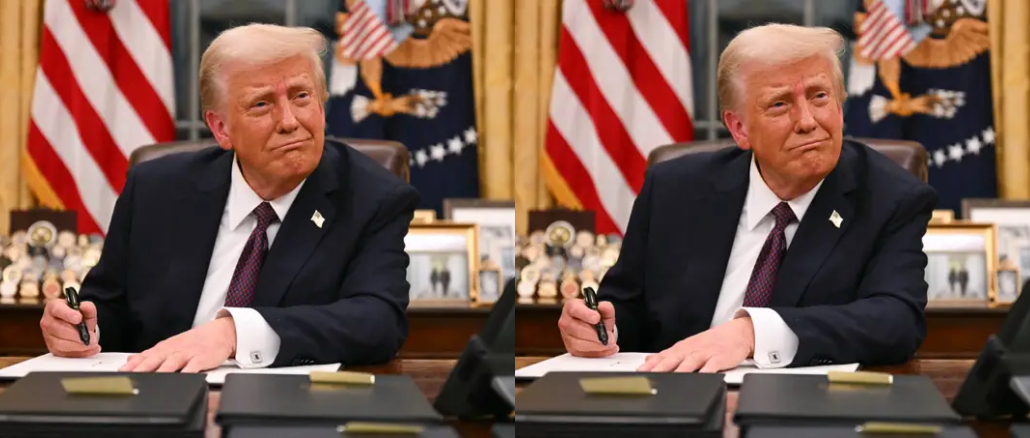
- President Trump supports integrating skilled foreign workers into the U.S. workforce.
- He argued that some industries rely on expertise that the domestic workforce cannot quickly provide.
- In an interview with Laura Ingraham, Trump dismissed the idea that limiting H-1B visas would raise wages for American workers.
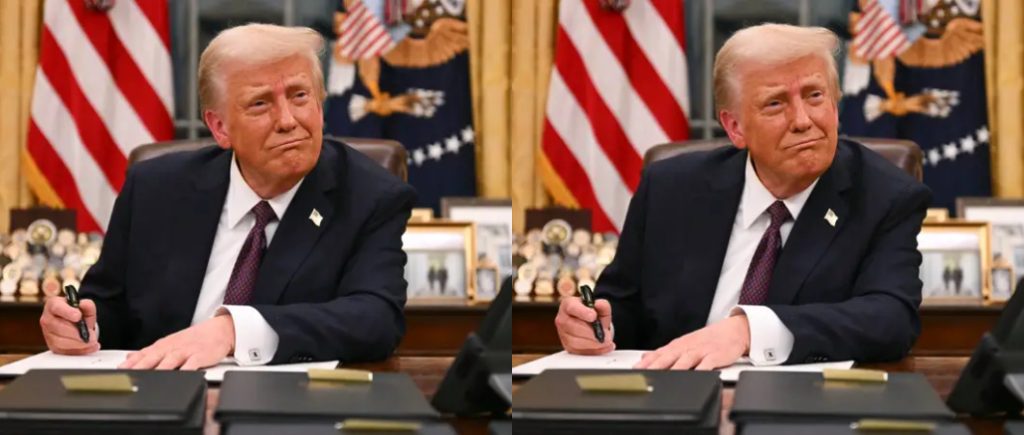
U.S. President Donald Trump reiterated his support for integrating skilled foreign workers into the U.S. labor market, stressing that the expertise certain industries rely on cannot be quickly replaced by domestic labor.
In a conversation with Fox News host Laura Ingraham, Trump rejected the idea that restrictions on H-1B visas and foreign labor would necessarily raise wages for American workers. He noted that the skills needed in highly specialized industries such as defense, energy and advanced manufacturing are not yet widely available in the United States.
Trump’s perspective
“You need to bring in talent,” Trump said. “You can’t just take someone off the unemployment line and put them into a factory that makes missiles. That doesn’t work.”
He highlighted a recent case in Georgia where authorities inspected a factory employing Korean battery manufacturing experts.
“These workers have spent their entire careers making batteries,” Trump explained. “The work is complex and dangerous, with the risk of explosions. You need these experts to train others; they can’t be replaced overnight.”
While Ingraham questioned whether reliance on foreign labor would undermine efforts to raise U.S. wages, Trump said he supports higher wages and more jobs for American workers. At the same time, he stressed that companies investing billions of dollars in domestic factories require highly specialized talent to operate efficiently.
“You can’t tell a company investing $10 billion in a factory that they’re going to find all the skills they need on the unemployment line,” he said. “Our country has unique advantages, and part of that advantage comes from talent.”
The bigger picture
Trump’s comments highlighted the tension between immigration restrictions and the real needs of industries that rely on international expertise. Despite the Trump administration’s “America First” approach, he has always recognized that maintaining global competitiveness requires access to skilled foreign workers.
He also defended the role of international students at U.S. universities, saying they were “good for business” and vital to sustaining higher education. In his interview with Ingraham, Trump warned that the decline in foreign students could have serious financial consequences that could threaten the viability of many institutions, including historically black colleges and smaller universities.
“You don’t want to cut off half the students from all over the world and destroy our university system. I don’t want to do that,” he said. “Having students from other countries is beneficial. I want America to engage with the world.”
Trump highlighted the economic impact, noting that international students often pay more than twice as much in tuition as domestic students and make significant contributions to the economy. “I think it’s a business advantage,” he added.
context
The announcements come despite previous actions by the Trump administration to limit thousands of visas, tighten screening procedures and propose restrictions on international enrollment through the Compact on Academic Excellence in Higher Education. Institutions such as Harvard University have legally challenged some of these measures.
According to data from the OECD, India is the world’s second largest source of international students, with more than 330,000 people studying in the United States in the 2023-2024 academic year, making it a major contributor to U.S. higher education.
